


- Admin
- Dec 28, 2025
- News
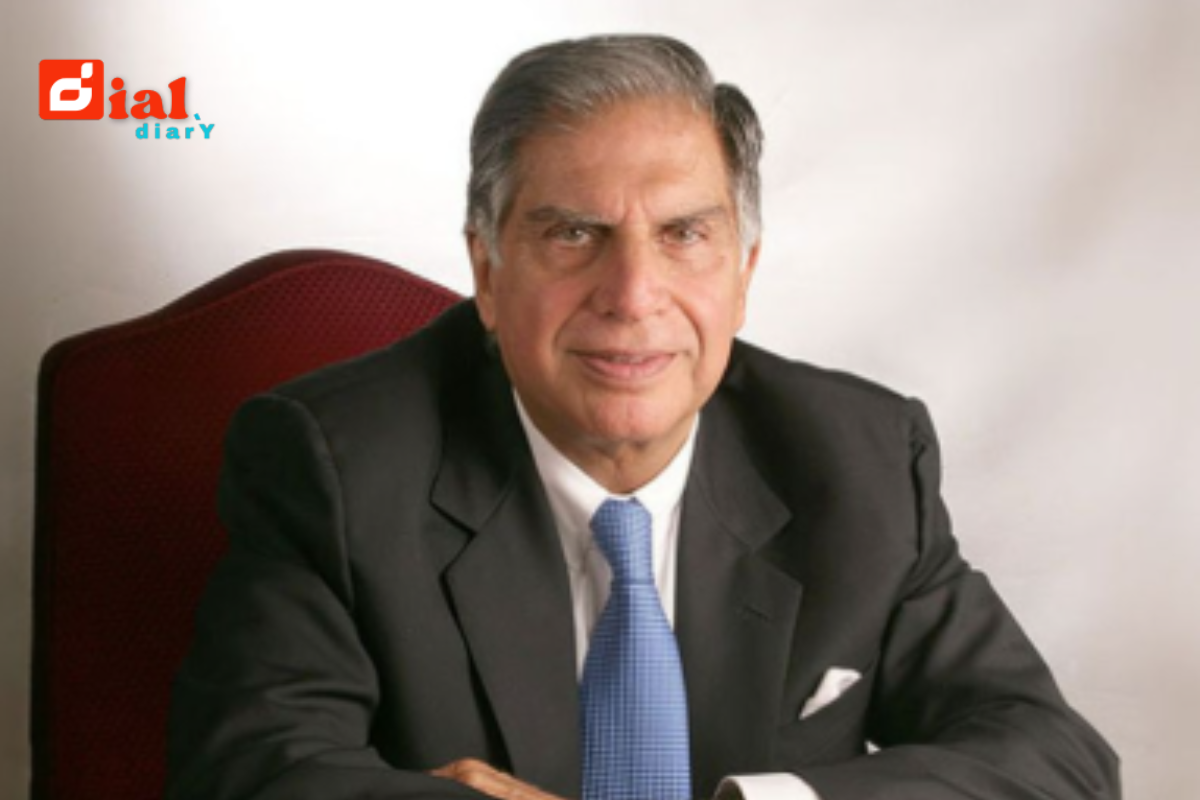
Ratan Tata: The Visionary Leader Who Transformed Indian Industry
Ratan Naval Tata is widely regarded as one of the most respected and influential business leaders in India’s history. Known for his integrity, humility, and long-term vision, he played a pivotal role in transforming the Tata Group into a global powerhouse while staying deeply committed to ethical leadership and social responsibility. His journey is not just a story of corporate success, but also one of nation-building, innovation, and values-driven growth.
Early Life and Education
Born on December 28, 1937, into the prominent Tata family, Ratan Tata was introduced early to the legacy of Jamsetji Tata, the founder of the Tata Group. Despite his privileged background, his upbringing was marked by discipline and independence. After his parents separated, he was raised largely by his grandmother, Lady Navajbai Tata, who strongly influenced his values and sense of responsibility.
Ratan Tata pursued architecture and structural engineering at Cornell University in the United States, followed by an advanced management program at Harvard Business School. His education abroad exposed him to global thinking and modern business practices, which later shaped his leadership style.
Early Career at Tata Group
Ratan Tata joined the Tata Group in 1962, starting his career on the shop floor of Tata Steel, where he worked alongside blue-collar employees. This hands-on experience helped him understand the operational realities of Indian industry and earn the respect of workers across Tata companies.
In 1991, at a time when India was opening up its economy through liberalization, Ratan Tata took over as Chairman of the Tata Group. His appointment initially faced resistance from senior executives within the group, but his quiet determination and clarity of vision soon proved decisive.
Transforming Tata into a Global Brand
One of Ratan Tata’s most significant achievements was reshaping the Tata Group from a largely India-centric conglomerate into a globally recognized brand. Under his leadership, the group streamlined operations, emphasized accountability, and focused on strategic growth.
Major global acquisitions marked this transformation. Tata Tea acquired Tetley, Tata Steel acquired Corus, and Tata Motors acquired iconic British brands Jaguar and Land Rover. These bold moves positioned Tata companies on the global stage and demonstrated that Indian firms could successfully compete internationally.
At the same time, Ratan Tata strengthened the Tata brand by increasing the shareholding of Tata Sons in group companies, ensuring alignment with the group’s core values and long-term goals.
Innovation and the Tata Nano
Ratan Tata was known for encouraging innovation that addressed real-world problems. One of the most talked-about examples was the Tata Nano, envisioned as the world’s most affordable car. The idea was born from his concern for Indian families traveling on two-wheelers in unsafe conditions.
Although the Nano did not achieve long-term commercial success, it remains a symbol of frugal innovation and bold thinking. It demonstrated Ratan Tata’s willingness to take risks in pursuit of social impact, even when outcomes were uncertain.
Leadership Style and Values
Unlike many high-profile corporate leaders, Ratan Tata maintained a low public profile. He was known for his calm demeanor, ethical decision-making, and people-first approach. He emphasized that businesses should serve society, not just shareholders—a philosophy deeply embedded in the Tata Group’s culture.
Corporate ethics, transparency, and trust became hallmarks of Tata companies under his leadership. This reputation helped the group weather economic downturns and maintain public confidence even during challenging times.
Commitment to Philanthropy
A significant portion of Tata Sons’ profits is channeled into charitable trusts that support education, healthcare, rural development, and scientific research. During Ratan Tata’s tenure, these initiatives expanded significantly.
From funding cancer hospitals and educational institutions to supporting disaster relief efforts, the Tata Group under Ratan Tata made a measurable difference in millions of lives. His belief that wealth must be used to uplift society continues to define the group’s philanthropic legacy.
Retirement and Continued Influence
Ratan Tata retired as Chairman of Tata Sons in 2012, but his influence did not fade. He continued to mentor young entrepreneurs, invest in startups, and support innovation across sectors such as technology, healthcare, and sustainability.
He has backed several Indian startups, often encouraging founders to focus on ethics, long-term value, and social impact rather than short-term profits. His presence on boards and advisory panels remains a source of inspiration for the next generation of business leaders.
Legacy and Inspiration
Ratan Tata’s legacy goes far beyond balance sheets and acquisitions. As highlighted on Dialdiary.in, he redefined what it means to be a business leader in India—showing that compassion, integrity, and global ambition can coexist. His journey proves that businesses can grow while remaining deeply rooted in values and social responsibility.
For millions of Indians, Ratan Tata represents trust, humility, and visionary leadership. His life story continues to inspire entrepreneurs, professionals, and students who aspire to build not just successful companies, but a better and more inclusive future for India.
Share on